After 10 years at the Cashroom – here’s to the next 10 years!
January 2021 was my 10 year anniversary as a Director of Cashroom. I became a non-exec director in 2011, and Managing Director in 2012.
But my involvement with Cashroom goes back further than that. In 2005 I set up a law firm, MBM Commercial, with 3 others, and was Managing Partner for 7 years. Catherine O’Day acted as MBM’s outsourced Finance Director and supervised our cash room. We often discussed Catherine creating a business that would outsource MBM’s entire finance function. In 2008 Catherine took the plunge and Cashroom was “born” with MBM as its very first client.
So, although technically not the founder, I was “in with the bricks”.
It’s been a “wild ride”! When I joined in 2011 we had 3 employees, 6 Scottish clients, and turned over around £100,000! We now employ over 90 people and deliver services to over 200 clients across the UK. In 2021, we should turn over almost £3.5m.
Behind those numbers, the business has changed dramatically. We’ve moved from being an outsourced cashiering service, to a technology driven business process outsourcer. We’ve developed our own technology platform that runs the business. It deals with secure client communication, task management, and increasingly integrates directly with other systems, dramatically increasing efficiency. We are far more “data driven”. Management by “intuition”, is no longer viable (if it every was!), and we need more detailed specialist skill in different areas of the business. Over the next 10 years I’m sure the business will change even more.
When I was at MBM, I acted for a client who was MD of a large utility business. Something he said always stuck in my mind. When hiring, he always hired people better and cleverer than he was. It came back to me at my first Cashroom board meeting (there were 2 of us!). I realised that, if I was to build the company I wanted to build, I needed to do just that. I couldn’t do it by myself.
So, over the last 10 years, I’ve strived to hire people better than me at doing the various things I did as MD in the early days. Recently I’ve felt I was pretty much there, and the way our senior team stepped up to deal with 2020, convinced me of it.
So, in February 2021, I stepped down as MD, and became Chairman. I’m still involved in the day-to-day management of the business (focusing on clients and client relationships), but our “new” CEO, Chris O’Day will take the business forward into its next growth phase.
Chris joined us in 2014 after qualifying as a CA at Deloitte. He started as an accountant in our accounts team, moved to Head of Accounts, then Head of Client Services, before becoming our FD. He knows our business inside out and has a clear vision of where he wants to take the business over the next 10 years.
I’m incredibly proud of what we’ve achieved at Cashroom, and at the risk of sounding “fatherly”, incredibly proud of Chris and the team. I know that the next 10 years will be even more exciting.
I can’t wait to see how things go!
David Calder, Chairman
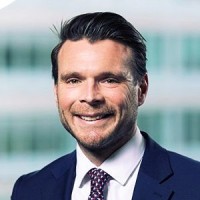 Lawshare, the referrals and support network, run by Full Service, Top 100 Law Firm JMW, has recently turned ten! Having worked with The Cashroom for a number of years, as one of their preferred partners, we thought we’d catch up with one of the Lawshare team, namely – Partner, Peter Finkill-Coombs.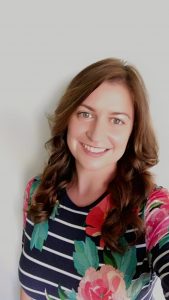
 Lately we can add to that list people who have been made redundant by their firm due to Covid-19 related uncertainty, and those who have realised by working remotely for the best part of a year that they don’t actually gain very much from all the back-office infrastructure and cost their current firm has, and could very easily and seamlessly set up on their own. For example, one recent new enquiry told me that she has realised they don’t really need a receptionist to answer the phone – calls can be easily diverted to the relevant Partner, and they definitely don’t need multiple typists – it turns out that typing emails, or short letters, themselves isn’t that difficult or time consuming.
 So, if you have started the new year with a resolution to set up your own firm, please do get in touch for an informal chat about it. We have been through this many, many times before with all different types and sizes of firms. We are very well placed to recommend some things you may want to think about, some networks you may want to join, some systems or processes you may want to put in place, some people you may want to consult with on, for example, which bank may be best suited for your needs, and of course we can chat through our service offering to ensure accounts rules compliance, payroll and accounting are taken care of, all without the burden of employing somebody.